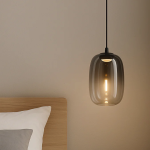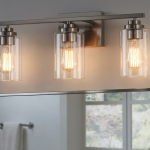
Looking to elevate your reading nook from “just a chair” to a truly inviting haven? A metal swing arm bedside light is your secret weapon. It perfectly blends form and function, delivering focused illumination right where you need it, all while adding a touch of flexible style. No more fumbling for a switch or struggling with dim overhead lights – just pure reading bliss. Let’s dig into how to make this happen.
Forget those clunky floor lamps or static table lamps that hog precious surface area. A well-placed metal swing arm light offers unparalleled practicality and aesthetic appeal for any dedicated reading space. It’s more than just a light Jayhull source; it’s a design element that elevates the entire vibe.
Optimized Illumination, Always
The primary benefit here is the ability to direct light precisely. You can swing it out, pull it closer, or angle it just so, ensuring your pages are perfectly lit without disturbing anyone else in the room (or casting annoying shadows). This adjustability is key for comfortable, strain-free reading sessions.
- Targeted Brightness: No more squinting or shifting your book around to catch the light. You control exactly where the illumination falls.
- Reduced Glare: By positioning the light source optimally, you can minimize glare on glossy pages or e-reader screens.
- Adjustable Intensity (with dimmers): Many swing arm lights can be paired with dimmable bulbs, letting you fine-tune the brightness for different times of day or moods.
Space-Saving and Clutter-Free
Unlike traditional lamps, a wall-mounted swing arm light frees up valuable floor and table space. This is especially crucial in smaller rooms or when you want to keep your reading area looking neat and uncluttered.
- Desktop/Tabletop Freedom: Your side table can now hold your mug of tea, a snack, or your reading glasses without being overtaken by a lamp base.
- Floor Space Cleared: No tripping hazards or bulky lamp bases getting in the way. This also makes cleaning easier.
- Minimalist Aesthetic: The clean lines of most metal swing arm lights contribute to a streamlined, modern look.
A Touch of Flexible Style
Metal swing arm lights come in a huge variety of finishes, shapes, and arm configurations, making it easy to find one that harmonizes with your existing decor. They can be industrial, modern, classic, or even a bit rustic.
- Finish Options: From matte black and brushed nickel to polished brass and oil-rubbed bronze, you can find a finish that complements your room’s palette.
- Design Diversity: Some have exposed bulbs for an industrial feel, while others incorporate shades for a softer glow. The arm mechanisms themselves also vary, offering different levels of reach and articulation.
- Visual Interest: Beyond their utility, these lights often serve as an attractive focal point, adding architectural interest to your wall.
Crafting Your Cozy Corner: Beyond the Light Itself
While the swing arm light is central, creating a truly cozy reading nook involves a holistic approach. Think about all the elements that contribute to comfort, functionality, and aesthetic appeal.
Location, Location, Location
Choosing the right spot is paramount. Consider natural light, foot traffic, and the overall feel of the area.
- Away from High Traffic: A reading nook should be a sanctuary, so avoid placing it in a busy walkway or directly in front of a frequently used door.
- Near a Window (but not in direct sun): Natural light is wonderful, but direct, harsh sunlight can cause glare and fade your books. A window to the side or with sheer curtains is ideal.
- Under a Sloped Ceiling or in an Alcove: These spaces often feel naturally more enclosed and cozy, lending themselves perfectly to a reading nook.
The Foundation: Your Comfy Seat
This is where you’ll spend hours, so don’t skimp on comfort. Whether it’s an armchair, chaise, or beanbag, make sure it truly invites you to settle in.
- Ergonomics are Key: Support for your back, neck, and arms is crucial. Test out chairs before committing.
- Material Matters: Soft fabrics like velvet, boucle, or a plush chenille enhance the cozy factor. Leather can be comfortable but might feel cooler.
- Ample Size: Ensure there’s enough room to shift positions, perhaps curl your legs up, or even recline slightly.
Adding Softness and Texture
These elements transform a functional space into a truly inviting one. Think layers and tactile experiences.
- Plush Throws and Blankets: A soft blanket draped over your chair is practically non-negotiable for a cozy corner. Choose one with a lovely texture – faux fur, chunky knit, or cashmere are great options.
- Supportive Pillows: Beyond the decorative, consider a smaller lumbar pillow or a larger, softer cushion to tuck behind your back for extra support.
- Area Rugs: Even if your room is carpeted, a smaller, softer rug under your reading chair can define the space and add another layer of warmth underfoot.
Incorporating Practical Surfaces
You’ll need somewhere to set your drink, glasses, or the book you just finished.
- Side Table or C-Table: A small table within easy reach is essential. C-tables are particularly clever as they can slide underneath your chair for close access.
- Built-in Shelving: If your nook is in an alcove, built-in shelves can house both functional items and decorative pieces.
- Ottoman with Storage: A versatile piece that can serve as a footrest and a place to stash extra blankets or books.
Choosing the Right Metal Swing Arm Light for Your Nook
With so many options out there, narrowing down your choice can feel daunting. Focus on a few key characteristics to find the perfect fit.
Mounting Options
How and where you plan to install the light will influence your decision.
- Hardwired vs. Plug-in:
- Hardwired: Offers a cleaner, integrated look as there are no visible cords. Requires some electrical knowledge or an electrician to install. Best for a permanent setup.
- Plug-in: Much easier to install yourself; just plug it into an outlet. The cord will be visible, but many designs incorporate cord covers or offer braided fabric cords for a more aesthetic look. Great for renters or those who like flexibility.
- Wall vs. Headboard Mount: Most swing arm lights are wall-mounted, but some are designed to clamp directly onto a headboard or shelf. Consider your vertical surfaces.
Adjustability and Reach
The “swing arm” implies movement, but the extent of that movement varies significantly.
- Single vs. Double Jointed:
- Single Jointed: Offers basic swing motion from side to side.
- Double Jointed: Provides more flexibility, allowing you to extend the light further out and adjust the angle in multiple ways. Ideal for larger chairs or if you want to illuminate a wider area.
- Shade Articulation: Can the light’s head or shade itself be tilted or rotated? This adds another layer of precise light direction.
Design and Finish
This is where you match the light to your personal style and the existing decor.
- Finishes:
- Matte Black: Industrial, modern, minimalist. Very versatile.
- Brushed Nickel/Chrome: Contemporary, sleek, often found in modern or transitional spaces.
- Polished Brass/Gold: Mid-century modern, glamorous, traditional. Adds warmth.
- Oil-Rubbed Bronze: Rustic, traditional, can look great in farmhouse or industrial settings.
- Shade Style:
- Metal Cone/Dome: Directs light downwards, can create a focused beam. Common in industrial and minimalist designs.
- Fabric Shade: Diffuses light more broadly for a softer ambient glow. Often found in more traditional or transitional styles.
- Exposed Bulb: For a truly industrial or minimalist look; requires a decorative bulb.
Installation Tips for a Seamless Setup
Even for a plug-in model, a little planning goes a long way to ensure your light looks great and functions perfectly.
Placement is Key
Before you drill any holes, do a “dry run” to determine the optimal height and horizontal placement.
- Eye-Level Rule of Thumb: When seated, the bottom of the light’s shade should generally be around shoulder to eye level. This prevents glare and ensures the light hits your book directly.
- Arm Extension Test: Extend the arm(s) fully to ensure the light reaches your desired reading spot without bumping your head or feeling awkward.
- Power Source Proximity: If it’s a plug-in, ensure an outlet is within easy reach of the cord. If not, plan for an extension cord that can be discreetly hidden.
Powering Your Light
Decide between hardwired or plug-in early in the process.
- Hardwired Considerations:
- Professional Help: Unless you’re comfortable with electrical work, hire a licensed electrician. Safety first!
- Wall Reinforcement: Ensure the chosen spot can support the weight of the fixture.
- Plug-in Solutions:
- Cord Management: unsightly cords can detract from coziness. Use cord channels, cable clips, or decorative cord covers to hide or minimize their appearance. Painting cord covers the same color as your wall makes them practically disappear.
- Smart Plugs: Consider pairing your plug-in light with a smart plug for easy voice control or scheduling, adding a modern convenience.
The Right Bulb Makes a Difference
Don’t underestimate the impact of the light bulb itself.
- Color Temperature:
- Warm White (2700K-3000K): Creates a cozy, inviting atmosphere similar to incandescent bulbs. Ideal for a reading nook.
- Cool White (3500K-4000K): Brighter, more stimulating light. Better for task lighting in an office, less so for relaxation.
- Brightness (Lumens): Aim for 450-800 lumens for a single reading light. Too dim, and you’ll strain; too bright, and it’ll feel harsh.
- Dimmable vs. Non-Dimmable: A dimmable bulb with a compatible dimmer switch allows you to adjust the intensity, perfect for setting different moods.
- LED is Your Friend: Energy-efficient, long-lasting, and produces less heat, making them a safe and economical choice for a reading light.
Accessorizing Your Reading Sanctuary
Once the core elements are in place, thoughtfully chosen accessories can complete the picture and enhance both comfort and function.
Book Storage Solutions
Keep your current reads and future literary adventures close at hand.
- Floating Shelves: A minimalist way to display a few favorite books right above or beside your nook.
- Magazine Rack/Basket: Ideal for holding periodicals, notebooks, or your active reading list.
- Small Bookcase: If space allows, a narrow bookcase offers ample storage and can add height and visual interest.
Personal Touches and Ambiance
Infuse your personality and create an atmosphere that truly invites you to unwind.
- Scented Candles or Diffusers: A subtle, comforting scent like vanilla, sandalwood, or lavender can significantly enhance the relaxing vibe. Keep candles safely away from any fabrics.
- Small Plant: A touch of greenery brings life and freshness to the space. Choose low-maintenance options that tolerate indoor conditions.
- Art or Photography: Hang a small piece of art or a framed photo that brings you joy or calm.
- Coasters: Protect your surfaces with stylish coasters for your coffee or tea mug.
Tech-Friendly Additions (Discreetly)
Even in a cozy space, a little modern convenience can be welcome.
- Charging Station: A discreet multi-port USB charger can keep your e-reader, phone, or tablet powered up without cluttering your space with multiple adapters.
- Headphone Hook: If you enjoy audiobooks or music while reading, a small hook on the side of your table or shelving can keep headphones tidy.
Ultimately, your cozy metal swing arm light-equipped reading corner should reflect your idea of comfort and serve as a genuine escape. It’s about creating a dedicated spot where you can truly relax, get lost in a good book, and recharge your batteries. So, take your time, consider these practical tips, and build a reading nook that you’ll love for years to come.