When you’ve got a narrow corridor, especially one with a low ceiling, lighting isn’t just about making it bright – it’s about making it feel open and functional without creating a cluttered or overwhelming experience. The short answer? You want minimalist ceiling lighting that subtly guides the eye and illuminates without drawing too much attention to itself. Think sleek, integrated, and understated. It’s about creating a sense of space and clarity, not showcasing a statement light fixture.
Minimalism isn’t just a design trend; it’s a practical approach, especially in tight spaces. In a narrow corridor, every design choice has a magnified impact.
The Problem with Bulky Fixtures
Imagine a grand, ornate chandelier in a hallway just three feet wide. Besides looking out of place, it would physically intrude on the space, making the corridor feel even narrower and potentially catching people unawares. Bulky fixtures can also create harsh shadows, further emphasizing the confined nature of the space. They become a focal point in the worst way, drawing attention to the lack of space rather than enhancing it.
Creating a Sense of Space
Minimalist lighting Condepot, by its very nature, tends to recede into the background. This allows the corridor itself to feel more expansive. When your eyes aren’t caught by a prominent light fixture, they can travel the length of the hallway, making it feel longer and less claustrophobic. It’s about subtle illumination that enhances the existing architecture rather than competing with it.
Practicality and Safety
High-traffic areas like corridors need clear, unobstructed pathways. A low-hanging fixture is not only an aesthetic problem but a safety hazard. Minimalist ceiling lights, particularly recessed options, remove this concern entirely, ensuring smooth passage for residents and guests alike. Plus, they’re often easier to clean and maintain since they don’t have intricate details to gather dust.
Understanding Light Distribution and Type
How light spreads and what kind of light it is makes a huge difference in a narrow space. It’s not just about brightness; it’s about perception.
The Importance of Even Illumination
Patchy lighting, with bright spots and dark shadows, makes a narrow corridor feel even choppier and less inviting. You want a consistent wash of light that eliminates these visual interruptions. This creates a smooth visual flow, guiding the eye effortlessly down the hallway. Even illumination also reduces eye strain and makes the space feel more comfortable.
Choosing the Right Color Temperature
This is often overlooked but incredibly important. “Cool” white light (4000K and above) can feel stark and clinical, which might be okay for an office, but in a home corridor, it can make the space feel cold and unwelcoming. “Warm” white light (2700K-3000K) is generally preferred for residential spaces, as it creates a cozy, inviting atmosphere. It softens the edges of the corridor and makes it feel more inviting. For some modern aesthetics, a neutral white (3500K) might work, offering a balance between warmth and clarity.
The Role of Directional vs. Diffused Light
Most narrow corridors benefit from diffused light, which spreads evenly without harsh shadows. This softens the space and makes it feel more open. Directional lighting, like spot lights, can be used for specific purposes, such as highlighting artwork or a niche, but should be used sparingly and strategically in a corridor to avoid creating “hot spots” that disrupt the even illumination. If used, ensure the beam angle is wide enough to still provide general ambient light.
Top Minimalist Ceiling Lighting Fixtures
Okay, let’s get into the specifics of what actually works. These options are designed to integrate seamlessly.
Recessed Lighting (Pot Lights/Downlights)
This is the king of minimalist corridor lighting. Recessed lights are installed directly into the ceiling, meaning they don’t protrude at all.
Spacing and Layout for Recessed Lights
The key here is proper spacing. If they’re too far apart, you’ll get dark spots. Too close, and it can look like an airport runway. A good rule of thumb for general ambient lighting in a corridor is to space them roughly half the ceiling height apart. So, if your ceiling is 8 feet high, lights could be 4 feet apart. However, this is just a starting point. Consider the lumen output of each fixture; higher lumens mean you might need fewer lights or can space them further apart. Use a staggered layout in a very long corridor to break up the linear monotony. Also, consider “wall wash” trims which angle the light towards the walls, making the corridor appear wider.
Beam Angle and Brightness
For corridors, generally, a wider beam angle (e.g., 60-90 degrees) is preferable to provide broader, more diffused light. This helps achieve even illumination. Brightness (lumens) should be sufficient to light the space adequately without being overwhelmingly bright. A dimmer switch is highly recommended so you can adjust the light level to suit different times of day or moods.
Trim Styles and Finishes
Even within recessed lighting, there are minimalist options. Look for “trimless” or “flush mount” trims that virtually disappear into the ceiling. Minimalist finishes like matte white, black, or brushed nickel tend to blend in rather than stand out. Avoid highly reflective or decorative trims that defeat the purpose of minimalism.
Integrated LED Strips and Channels
These are incredibly versatile and offer a truly seamless look, often becoming part of the architecture itself.
Cove Lighting
If you’re building or renovating, cove lighting is a fantastic option. It involves installing LED strips in a recessed channel or ledge near the ceiling, typically along the perimeter of the corridor. The light bounces off the ceiling, creating a soft, indirect glow that broadens the apparent width of the space. It’s highly diffused and visually appealing, virtually eliminating shadows.
Linear LED Channels (Flush or Surface Mount)
These are sleek, narrow light fixtures that house LED strips within an aluminum channel, often with a diffuser. They can be installed flush into the ceiling (requiring professional installation) or surface-mounted, where the fixture itself is very thin and blends into the ceiling. When flush-mounted, they create a clean, continuous line of light that can guide the eye down the corridor. Surface-mounted options, though not truly “recessed,” are still very low profile and can look quite sleek. They are particularly effective when running parallel to the length of the corridor.
Edge Lighting
A less common but equally minimalist approach involves embedding LED strips along the very edge where the wall meets the ceiling. This casts a soft glow upwards, making the ceiling appear to float and pushing the walls visually apart. It’s highly effective at creating a sense of height and openness.
Flush Mount Fixtures (Sleek and Low Profile)
While recessed lighting is often ideal, sometimes it’s not feasible (e.g., concrete ceilings, budget constraints for extensive ceiling work). In such cases, ultra-thin flush mount fixtures are the next best thing.
Ultra-Thin LED Panels
These are incredibly slim fixtures, often just an inch or less thick, that sit directly against the ceiling. They provide a broad, even wash of light and, due to their minimal profile, don’t intrude on the visual space. Look for simple, unadorned designs – square or round – in a matte finish. Many of these offer edge-lit technology, which means the light is diffused from the sides, creating a soft, uniform glow without glare.
Minimalist Disc Lights
Similar to ultra-thin panels but typically round and smaller in diameter. These can be used in a series, much like recessed lights, but are surface-mounted. They offer a clean, unobtrusive look, especially when chosen in a color that matches the ceiling. They are easy to install and a good alternative to recessed lights in existing structures.
Lighting Design Strategies for Narrow Corridors
Beyond the fixtures themselves, how you plan your lighting layout makes a significant difference.
Wall Washing Techniques
Instead of pointing lights straight down, consider angling them slightly towards the walls. This technique, called “wall washing,” illuminates the vertical surfaces, making the corridor feel wider and brighter. It also highlights any textures or artwork on the walls, adding interest without visual clutter. Use fixtures with adjustable gimbals in recessed lights for this, or directional linear lights.
Lighting the End of the Corridor
The end of a long, narrow corridor can feel like a dead end. Strategically placing a light fixture, a piece of art illuminated by a picture light, or even a mirror with integrated backlighting can draw the eye and make the space feel less abrupt. This provides a visual destination and extends the perceived length of the corridor.
Incorporating Dimmers
This is a non-negotiable for a practical and versatile lighting scheme. Dimmers allow you to adjust the light level to suit various activities or times of day. A bright light may be needed for cleaning, but a softer, dimmed light is perfect for a gentle nightlight or to create ambiance. It enhances comfort and energy efficiency.
Avoiding Glare and Hotspots
Glare is uncomfortable and can make a small space feel even more confined. Choose fixtures with good diffusers that spread the light evenly. Avoid bare bulbs or fixtures where the light source is directly visible, especially in a narrow corridor where you’ll be looking directly at them. The goal is pleasant, even illumination, not blinding brightness.
Beyond the Ceiling: Complementary Lighting
While the focus is on ceiling lighting, a truly effective scheme often incorporates a few other elements, used sparingly.
Understated Wall Sconces (Used with Caution)
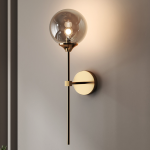
In some wider narrow corridors (perhaps 4 feet or more), very minimalist, low-profile wall sconces can be used. These should be uplighting or uplighting/downlighting to avoid casting harsh shadows at eye level. The key is that they shouldn’t protrude much from the wall. Think sleek, architectural designs that blend rather than stand out. They can add a layer of soft, diffused light that further enhances the sense of width. They usually work best when paired with recessed ceiling lights, acting as an accent rather than the primary light source.
Kick Pucks or Toekick Lighting
This is a fantastic, subtle way to add an extra layer of light, particularly at night. Small LED “pucks” or strips installed at floor level (e.g., in the baseboard or toekick of built-in cabinetry) create a gentle glow that guides you without being overly bright. This is perfect for those middle-of-the-night trips to the bathroom, providing just enough light to navigate safely without fully waking you up. It’s a very minimalist approach to functional lighting.
Minimalist Picture Lights (for Artwork)
If you have artwork you want to highlight, a small, unobtrusive picture light can be a thoughtful addition. Choose designs that are as thin and simple as possible, often LED-based for their slim profile and low heat output. They add a focal point without cluttering the ceiling or wall space.
Installation and Maintenance Considerations
Good lighting isn’t just about aesthetics; it’s about practicalities, too.
Professional Installation for Integrated Systems
For things like trimless recessed lights, cove lighting, or linear LED channels that are flush-mounted, professional installation is almost always recommended. These require precision to look truly seamless. Incorrect installation can ruin the minimalist effect or even be a safety hazard.
Accessibility for Bulb Replacement (if applicable)
While many modern LED fixtures are integrated and boast long lifespans, if you opt for recessed lights with replaceable bulbs (LED retrofits, for example), ensure they are easy to access. You don’t want to need a ladder and a toolkit every time a bulb goes out.
Energy Efficiency
LED technology has revolutionized lighting, offering incredible energy efficiency and long lifespans. Always opt for LED fixtures to save on electricity bills and reduce the hassle of frequent bulb changes. Look for ENERGY STAR certified products where possible.
Future-Proofing
Consider options that allow for future adjustments, such as smart lighting controls. Being able to change color temperature, dim levels, or even set schedules through an app adds a layer of convenience and adaptability that can enhance the user experience over time.
In conclusion, lighting a narrow corridor with low ceilings requires a thoughtful, minimalist approach. It’s about subtlety, evenness, and creating a feeling of openness rather than drawing attention to the fixtures themselves. By choosing the right types of fixtures and implementing smart design strategies, you can transform a challenging space into an inviting and functional part of your home.