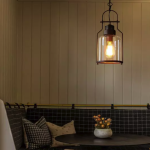
Luxury glass lighting, by its nature, serves as more than a simple illuminant; it is an architectural element, a sculptural form, and a foundational component of interior design. This article explores the characteristics of luxury glass lighting, its historical context, and practical considerations for its incorporation into residential and commercial spaces, particularly those aiming for a boutique hotel aesthetic. The focus remains on factual presentation and actionable information for the discerning individual.
Luxury glass lighting distinguishes itself through several key attributes. These go beyond mere material composition to encompass design philosophy, manufacturing processes, and the resulting aesthetic impact.
Materiality and Craftsmanship
The term “luxury” in this context often denotes a commitment to high-quality materials and meticulous craftsmanship. The glass itself is typically of superior clarity, free from imperfections, and often hand-blown or formed. This artisanal approach can result in unique variations, imparting a sense of individuality to each piece.
Types of Glass Used
Various types of glass are employed in luxury lighting, each offering distinct visual and refractive properties:
- Blown Glass: Hand-blown glass is a hallmark of high-end lighting. Skilled artisans manipulate molten glass, creating diverse forms and textures. This process allows for complex shapes, internal bubbles, and gradient color effects that are difficult to achieve through machine production.
- Crystal Glass: Often containing lead oxide (or lead-free alternatives), crystal glass boasts a higher refractive index than standard glass, leading to enhanced brilliance and sparkle. This is particularly evident in chandeliers and pendant lights designed to scatter light.
- Art Glass: This encompasses a broad category of decorative glass, often featuring intricate patterns, colors, or specialized techniques like murrine or lampworking. Art glass fixtures frequently serve as focal points due to their inherent artistic merit.
- Etched and Frosted Glass: These treatments diffuse light, creating a softer, more ambient glow. Etching involves acid or abrasive techniques to create patterns, while frosting provides a uniform translucent finish.
Design Principles
Luxury glass lighting adheres to design principles that prioritize aesthetics, functionality, and longevity. The design is rarely superfluous; every curve, facet, and attachment serves a purpose, contributing to the overall visual impact and light distribution.
Form and Function Integration
Effective luxury lighting seamlessly integrates form and function. A fixture that is visually stunning but fails to adequately illuminate a space falls short. Conversely, a purely functional light lacking aesthetic appeal diminishes the elegance of a room. Designers of luxury lighting consider the interplay of light and shadow, the way glass refracts and reflects light, and how the fixture interacts with its surroundings.
Scale and Proportion
Proper scale and proportion are critical. An oversized fixture can overwhelm a space, while an undersized one may appear insignificant. Boutique hotels often leverage grand, statement pieces in common areas, while employing more restrained, yet still luxurious, lighting in guest rooms. This careful consideration of dimensions ensures visual harmony.
Historical Context and Evolution
The use of glass in lighting fixtures has a rich history, evolving from utilitarian objects to elaborate decorative pieces. Understanding this trajectory provides context for contemporary luxury designs.
Early Innovations
Early lighting solutions, such as oil lamps and candles, eventually incorporated glass for protection and focused illumination. Stained glass, primarily for ecclesiastical settings, demonstrated an early understanding of glass’s aesthetic potential.
The Advent of Chandeliers
The development of the chandelier, particularly from the 17th century onwards, marked a significant milestone. These early chandeliers, often featuring rock crystal or cut glass, were symbols of wealth and status. Venetian glassmakers, for example, became renowned for their intricate techniques and vibrant colors, influencing designs across Europe.
Modernist Influences
The 20th century brought significant shifts in lighting design. Art Deco, with its geometric patterns and opulent materials, saw a resurgence in decorative glass. The subsequent mid-century modern movement emphasized clean lines, organic forms, and new manufacturing techniques, leading to iconic glass lamp designs.
Post-War Developments
Post-World War II, advances in glassmaking allowed for thinner, lighter, and more complex forms. Designers like Murano artisans continued to push boundaries, experimenting with color, texture, and light manipulation, laying groundwork for many contemporary luxury designs.
Boutique Hotel Style: A Framework for Design
The term “boutique hotel style” conjures an image of curated elegance, bespoke elements, and an emphasis on atmosphere. Luxury glass lighting is instrumental in achieving this aesthetic.
Defining Boutique Hotel Aesthetics
Boutique hotels typically prioritize unique design narratives, personalized experiences, and a departure from standardized corporate aesthetics. This translates into interiors that are often eclectic, intimate, and memorable. Lighting plays a crucial role in shaping these environments, guiding the eye and establishing mood.
Ambiance Creation
The primary function of lighting in a boutique hotel is ambiance creation. Direct, harsh lighting is generally avoided in favor of layered illumination, incorporating ambient, task, and accent lighting. Luxury glass fixtures, with their ability to diffuse, refract, and reflect light, are ideal for crafting sophisticated and inviting atmospheres. Think of a softly glowing hand-blown pendant above a reception desk, its light subtly highlighting the texture of a stone wall.
Statement Pieces
Boutique hotels often feature “statement” lighting fixtures – pieces designed to capture attention and serve as visual anchors. A magnificent glass chandelier in a lobby, or a series of bespoke glass pendants in a dining area, exemplifies this approach. These pieces are not merely functional; they are integral to the hotel’s brand identity.
Integrating Luxury Glass Lighting
Incorporating luxury glass lighting into your space, whether residential or commercial, requires strategic planning to emulate the boutique hotel aesthetic.
Layered Lighting Schemes
Mimicking the layered approach of boutique hotels is essential. This involves integrating luxury glass fixtures with other lighting types to create depth and visual interest. For instance, a sculptural glass chandelier might serve as the primary ambient light, complemented by glass table lamps for task lighting, and subtle uplighters to highlight architectural features.
Focal Points and Art Integration
Consider luxury glass lighting as both a functional object and an art piece. Position substantial glass fixtures to draw the eye, creating a focal point in a room. For example, a large, multi-tiered glass pendant over a dining table transforms the culinary space. In a hallway, a series of identical glass sconces can create a rhythmic visual flow.
Practical Considerations for Selection and Installation
Beyond aesthetics, there are practical aspects to consider when selecting and installing luxury glass lighting. These include technical specifications, safety, and long-term maintenance.
Technical Specifications and Luminaire Performance
Understanding the technical aspects of a fixture ensures it meets your functional requirements. This goes beyond simply appreciating its beauty.
Light Output and Color Temperature
Evaluate the lumen output (brightness) and color temperature (warmth or coolness of light) of the fixture. Boutique hotels often favor warmer color temperatures (2700K-3000K) to create a welcoming and intimate atmosphere. For task-oriented areas, a slightly cooler temperature may be appropriate, but rarely clinical.
Dimming Capabilities
The ability to dim lights is crucial for creating versatile ambiance. Many luxury glass fixtures are designed to be dimmable, allowing occupants to adjust the light intensity according to mood or time of day. Ensure compatibility with existing or planned dimmer switches.
Safety and Installation
Professional installation is paramount for luxury glass lighting, given the weight, fragility, and electrical complexity involved.
Structural Support
Some large glass fixtures, particularly chandeliers, can be very heavy. It is imperative to assess the structural integrity of the ceiling or wall where the fixture will be installed. Reinforcement may be necessary to safely support the weight.
Electrical Requirements
Luxury lighting often demands specific electrical configurations, including dedicated circuits or specialized wiring. Consult with a qualified electrician to ensure all electrical requirements are met, adhering to local building codes and safety standards.
Maintenance and Longevity
Proper maintenance ensures the longevity and continued aesthetic appeal of your luxury glass lighting. This is an investment, and like any investment, it requires care.
Cleaning Procedures
Glass fixtures require regular, but gentle, cleaning. Dust accumulates, diminishing brilliance. Use soft, lint-free cloths and appropriate glass cleaners. For intricate designs, professional cleaning may be necessary to avoid damage. Avoid abrasive materials that can scratch the glass or damage finishes.
Longevity and Investment Value
Luxury glass lighting, when properly maintained, can be a long-lasting investment. High-quality materials and craftsmanship contribute to durability. Unlike mass-produced items, well-designed luxury pieces often retain their aesthetic relevance and can even appreciate in value over time, becoming heirloom pieces.
Conclusion
Luxury glass lighting, meticulously selected and thoughtfully integrated, is a powerful tool for elevating any space to the standards of boutique hotel style. It transcends mere illumination, acting as a functional art piece that shapes atmosphere, defines character, and creates memorable visual experiences. By considering the materiality, design principles, historical context, and practical considerations outlined, you can make informed decisions to imbue your environment with a sophisticated and enduring elegance. The objective is not merely to light a room, but to sculpt an experience, where light becomes an integral part of the architectural narrative.