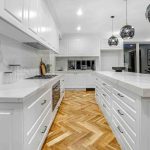
Minimalist retro glass lighting, often characterized by its unadorned forms and use of traditional materials, has emerged as a significant design element within loft spaces. This style of lighting prioritizes functionality and clean aesthetics, mirroring the industrial origins and open-plan nature of lofts. The interplay between simplicity of form and the inherent characteristics of glass creates a lighting solution that is both practical and visually compelling, acting as a subtle yet effective modulator of environment.
The development of minimalist retro glass lighting Posnano draws from distinct historical currents, converging to form its contemporary iteration. Understanding these precedents provides context for its current application in loft environments.
Industrial Roots
Loft spaces themselves are products of industrial architecture, conversions of former factories, warehouses, and commercial buildings. Early lighting in these structures was primarily utilitarian, designed for maximizing visibility during work hours. These fixtures often featured exposed bulbs, metal cages, and simple glass shades, such as clear or frosted globes, to diffuse light broadly. This focus on utility over ornamentation laid a foundational aesthetic for later minimalist design. The robust construction and straightforward material selection defined a vernacular that is still referenced today.
Mid-Century Modern Influence
Following the industrial era, mid-century modern design (roughly 1933-1965) significantly contributed to the minimalist retro aesthetic. This period emphasized clean lines, organic shapes, and a rejection of excessive ornamentation. Designers like Poul Henningsen and Achille Castiglioni experimented with glass in novel ways, creating fixtures that were both sculptural and functional. Their designs often featured blown or molded glass in geometric forms, maximizing light output while maintaining a streamlined appearance. The Eames House, for instance, showcased an unpretentious integration of industrial materials with refined, functional lighting.
Post-Modern Minimalism
The late 20th century saw the rise of a more conscious minimalism, often as a reaction against perceived excesses of earlier design movements. This period refined the concept of “less is more,” focusing on essential forms, neutral palettes, and the intrinsic qualities of materials. In lighting, this translated to a reduction of decorative elements, prioritizing the interaction of light with space. Glass, with its transparency and ability to be shaped, became a primary medium for conveying this stripped-down aesthetic.
Characteristics of Minimalist Retro Glass Lighting
Minimalist retro glass lighting is defined by a set of discernible characteristics that collectively contribute to its distinct identity. These attributes are not merely stylistic choices but often stem from functional considerations.
Materiality: The Role of Glass
Glass is the primary material, chosen for its optical properties and versatility. Types of glass commonly used include:
- Clear Glass: Offers unhindered light transmission, making the bulb a visible element and contributing to a raw, industrial aesthetic. It can create sharp shadows depending on the light source.
- Frosted or Opal Glass: Diffuses light, reducing glare and creating a softer, more even illumination. This is often preferred in areas requiring ambient light rather than directed light.
- Smoked or Tinted Glass: Introduces a subtle color or dimming effect to the light, altering the mood of a space. This can be used to temper the brightness of an exposed bulb.
- Ribbed or Textured Glass: Adds a tactile dimension and distorts light slightly, creating softer edges and visual interest without undue ornamentation.
The choice of glass directly affects the quality and distribution of light, influencing the overall atmosphere of the loft.
Form and Structure
The forms of these fixtures are typically geometric and unembellished. Common shapes include:
- Spheres and Orbs: Classic and versatile, providing omnidirectional light.
- Cylinders and Tubes: Often used in linear arrangements or as pendant lights, offering clean vertical or horizontal lines.
- Conical and Bell Shapes: Direct light downwards, suitable for task lighting or accentuating specific areas.
- Exposed Bulbs: A hallmark of the retro aesthetic, showcasing the filament as part of the design, especially with Edison-style bulbs. The fixture often acts as a simple holder for the bulb rather than a complex shade.
Structurally, these lights are often suspended by simple cords or rods, with minimal visible hardware. The focus remains on the glass element and the light source itself.
Lighting Function and Effect
Beyond aesthetics, minimalist retro glass lighting serves specific functions within a loft:
- Ambient Lighting: Achieved through diffused glass shades (e.g., opal glass globes) that distribute light broadly, softening the overall environment.
- Task Lighting: Often provided by fixtures with directed shades (e.g., conical pendants) positioned above work surfaces, such as kitchen islands or desks.
- Accent Lighting: Utilizes smaller, perhaps more ornamental, glass fixtures or exposed bulbs to highlight architectural features, art, or specific zones within the open-plan loft.
The interaction of light with the expansive, often raw, surfaces of a loft space is a critical consideration. These fixtures are designed to complement, rather than overwhelm, the inherent character of such environments.
Integration into Loft Spaces
The seamless integration of minimalist retro glass lighting into loft spaces is a key aspect of its appeal. The inherent characteristics of lofts provide a suitable canvas for these fixtures.
Open-Plan Challenges and Solutions
Loft spaces, by definition, feature large, open-plan layouts. This presents both opportunities and challenges for lighting design.
- Zoning through Light: Strategically placed minimalist retro pendants or floor lamps can create distinct “zones” within an open-plan area without the need for physical partitions. For instance, a cluster of pendants above a dining table can differentiate it from a living area.
- Ceiling Height Considerations: Lofts often boast elevated ceilings. This allows for taller pendant drops or multiple suspended fixtures, which can fill vertical space without feeling overcrowded, unlike in a standard residential property. The verticality of some minimalist designs complements the loft’s height.
- Minimizing Visual Clutter: The minimalist nature of these fixtures prevents them from adding unnecessary visual weight to an already expansive space. Their transparency and simple forms maintain an uncluttered aesthetic, crucial in open layouts where every element is visible.
Complementing Industrial Aesthetics
The industrial origins of loft spaces lend themselves well to the unpretentious nature of minimalist retro glass lighting.
- Exposed Elements: Lofts frequently feature exposed brick, concrete, metal ductwork, and structural beams. The raw qualities of clear glass and simple metal accents in lighting fixtures resonate with these industrial elements.
- Material Harmony: The use of glass (often clear or semi-transparent), simple metal finishes (black, brass, chrome), and visible wiring aligns with the utilitarian material palette common in industrial aesthetics. There is a congruence between the fixture’s material honesty and the loft’s structural honesty.
- Subtle Juxtaposition: While fitting in, these fixtures also offer a subtle contrast. The delicate nature of glass against the robustness of steel or concrete can create an interesting material tension, enhancing visual depth.
Installation Considerations and Best Practices
Effective implementation of minimalist retro glass lighting demands careful consideration beyond mere aesthetic preference. The functional aspects of installation directly impact the efficacy and safety of the luminaires.
Mounting and Suspension
The method of mounting and suspension is crucial, particularly given the typically high ceilings in loft spaces.
- Pendant Systems: The most common form involves single or multiple pendants suspended from the ceiling. Consider adjustable cord lengths to fine-tune the fixture’s height relative to the space and furniture below. In loft conversions, original ceiling structures may necessitate specialized mounting hardware.
- Track Lighting with Glass Shades: While less common for the purest minimalist retro aesthetic, track systems can offer flexibility in positioning light sources, especially in large areas. Certain minimalist glass fixtures are designed for track integration, allowing for directional adjustment.
- Wall Sconces: For accent lighting or general illumination in corridors or smaller zones, minimalist glass wall sconces can provide an unobtrusive solution, particularly those with simple forms and diffused light.
- Floor and Table Lamps: These offer flexibility and can be moved. A minimalist retro floor lamp with a substantial glass shade can become a focal point, while smaller table lamps provide localized or mood lighting.
Wiring and Electrical Requirements
Adherence to electrical codes and safe wiring practices is paramount.
- Professional Installation: Due to the often-complex wiring in older loft buildings and the height of ceilings, professional electricians should handle most installations, especially for hardwired fixtures.
- Bulb Selection: The choice of light bulb significantly impacts both the light quality and the aesthetic.
- LED Filaments: Modern LED bulbs designed to mimic the aesthetic of old incandescent filaments (Edison bulbs) are highly recommended. They offer energy efficiency, longevity, and often dimmable capabilities, while maintaining the retro visual.
- Color Temperature: Consider the color temperature (Kelvin scale) of the bulbs. Warmer temperatures (2700K-3000K) create a cozy atmosphere, suitable for living areas, while cooler temperatures (3500K-4000K) are more appropriate for work areas like kitchens or home offices.
- Dimmer Switches: Integrating dimmer switches provides granular control over light intensity, allowing for adaptation to various tasks and moods, a practical feature in open-plan lofts.
Maintenance and Cleaning
Regular maintenance ensures the longevity and continued aesthetic appeal of glass lighting.
- Dust and Dirt: Glass surfaces, especially clear ones, show dust and fingerprints readily. Regular wiping with a soft, lint-free cloth is necessary.
- Cleaning Solutions: Use mild glass cleaner or a solution of water and vinegar. Avoid abrasive cleaners or cloths that could scratch the glass or damage metal finishes. Always ensure the fixture is off and cool before cleaning.
- Bulb Replacement: When replacing bulbs, ensure the new bulb’s wattage and size are compatible with the fixture’s specifications.
The Experiential Impact
Beyond their tangible form and function, minimalist retro glass lighting fixtures exert a profound influence on the lived experience within a loft space. They are not merely objects but active participants in shaping the atmosphere and perception of an environment.
Modulating Space and Mood
Light is a powerful, yet often subtle, modulator of space and human emotion. Minimalist retro glass lighting, with its inherent transparency and simplicity, is particularly adept at this.
- Creating Expansiveness: Clear glass fixtures allow the eye to pass through them, contributing to a sense of openness and not obstructing views in an already expansive loft. They punctuate the space without imposing upon it.
- Defining Intimate Zones: Conversely, strategically placed pendants with slightly frosted or smoked glass can create pools of light, subtly demarcating more intimate zones for conversation or relaxation within a larger open-plan area. The quality of light shifts from generalized illumination to focused invitation.
- Evoking Atmosphere: The choice of bulb (e.g., warm Edison filament), combined with the glass type, can evoke specific moods. A soft, warm glow emanating from an opal glass spherical pendant in a loft’s living area can transform it into a sanctuary at dusk, a counterpoint to the city outside.
- Dynamic Play of Light and Shadow: Clear glass fixtures, especially when paired with exposed filament bulbs, cast distinct shadows and patterns. This interplay adds a dynamic, sculptural dimension to the loft’s surfaces, transforming plain walls into canvases for light. The light source becomes a choreographer of shadows.
Enhancing Connectivity
In an open-plan loft, visual and spatial connectivity is both a virtue and a challenge. Lighting can either reinforce this or disrupt it.
- Visual Flow: The minimalist forms and transparent nature of these fixtures allow for an unobstructed visual flow across different areas of the loft. They integrate smoothly into the architectural lines rather than acting as jarring disruptions.
- Unifying Aesthetic: By employing a consistent style of minimalist retro glass lighting throughout the loft, a unifying aesthetic thread is woven across different zones. Whether it’s a series of identical pendants over a kitchen island, a floor lamp in the living room, or a sconce in the reading nook, the common design language creates cohesion. This establishes a subtle rhythm within the space.
- Reflecting External Environment: Particularly with large windows common in lofts, the transparent glass shades can interact with external light. During the day, they might disappear into the brightness, becoming almost invisible. At night, they become beacons, reflecting internal light outwards, or framing views of the urban landscape. This creates a dialogue between the internal environment and the world beyond the panes.
The judicious selection and placement of minimalist retro glass lighting is not merely about illumination; it is about crafting an experience. It is about understanding how light interacts with space, how materials resonate with history, and how subtle design choices can profoundly influence the character and comfort of a loft environment. These fixtures, in their unassuming elegance, serve as instruments for shaping atmosphere and extending the architectural narrative.